How to brew coffee?
An essential guide to coffee brewing
Coffee is a staple item for almost everyone. Nevertheless, it comes with different origins, roasts, and brewing methods. Understanding the different brewing techniques helps you to have the best coffee.
How to brew coffee
-
Use the right tool
Brewing your coffee starts with your equipment. Hence, tools such as grinders, filters, and coffee makers must remain clean before and after use. Ensure that you do not leave any grounds or coffee oil build-up because of how quickly they can make your coffee sour.
-
Coffee bean quality
Next, you must select top-quality coffee beans because they also determine your bean's flavor and quality.
-
Grind
You can hardly go wrong with any texture for your grind. However, your coffee should be as fresh as possible for the best results. To optimise your coffee bean freshness, grind it close to the brewing time with a mill or burr grinder rather than a blade grinder because of the consistency it brings.
Never reuse coffee grounds because they only leave bitter and undesirable elements. Also, the grind size is hugely vital in determining the taste of your coffee. Over extracted or ultra-fine coffee has a bitter taste. Conversely, under-extracted coffee or a coarse grind leaves a flat or bland taste.
The Process
When purchasing your coffee, you can tell the experts how you want the brewing process to be. For instance, you might want a French press coffee, a cone or flat drip filter, or even a gold mesh filter. Informing the professionals makes them grind the coffee for the relevant preparation process. Other determining factors in the final outlook of your brewed coffee are:
Water
The quality of water used determines your coffee quality. Filtered water or bottled water is best, particularly if your tap water has a poor taste or odour. Moreover, always use cold water for especially for cold brew coffee.
Aeropress
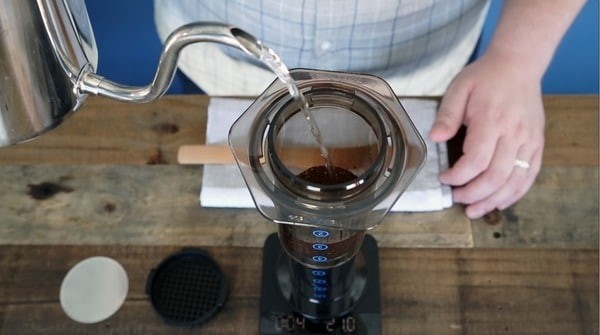
The rule of thumb is one or two tablespoons of ground coffee for six ounces of water. Nevertheless, each person has his taste preferences. There are measurements on cup lines to help you know when the quantity is enough.
Temperature
People might like their coffee served hot, warm, or cold. The nature of the container and additives (cream or milk) also plays a role in determining how your coffee comes out. Generally, coffee is best served right after brewing or within an hour if placed in a warm, insulated thermos. If you must have a hot cup of coffee, please allow it to go below 140 degrees Fahrenheit so you do not burn yourself.
Time
The time your coffee grounds spend on the water is the brewing time. Brewing time remains crucial to your coffee’s flavour, as you will find out in the course of this article.
Temperature of Water
Remember that dealing with hot beverages carries its inherent risks. Therefore, the relevant precautions are necessary to take throughout the entire preparation, serving and drinking. The best temperature range for your optimal extraction with your brewer is between 195 and 205 degrees Fahrenheit. If the water is too cold, your coffee gets under-extracted coffee, and if too hot, the coffee taste declines. Always allow boiling water to sit for a minute before adding it to the coffee grounds.
Types of Coffee Making Devices
With the growing trend for gourmet-type coffee, it is best to know the different types of coffee makers. Asides from the automatic coffee maker in your home, below are some of the different coffee-making devices:
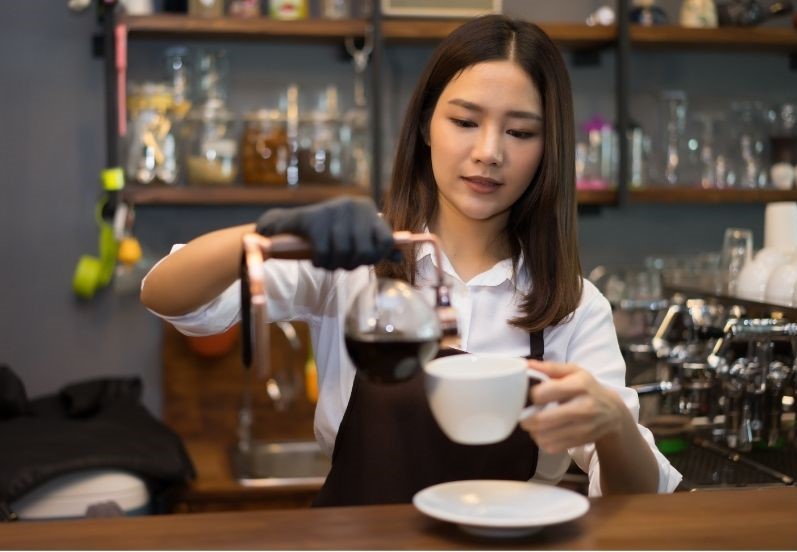
Vacuum Syphon
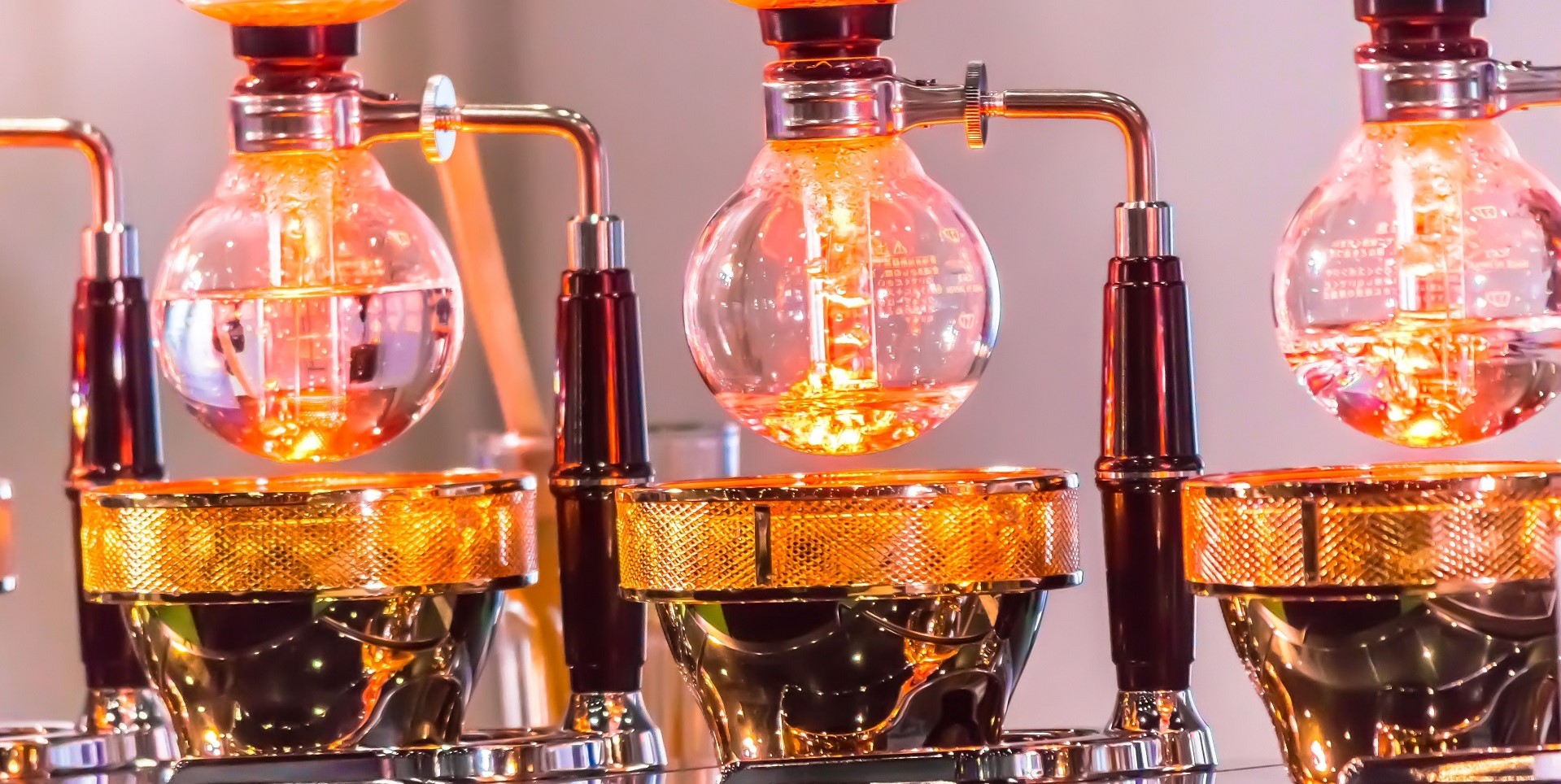
Siphon is a fancy method of making coffee. The two-century-old process has remained a remarkable way of impressing visitors. Add coffee grounds to the upper vessel. Consequently, the vapour pressure compels the hot water upwards to immerse the coffee. After taking the heat away, gravity thrusts the brewed coffee to the bottom vessel. The grind of the beans is medium, and the brewing time is six minutes. The flavour profile is delicate. Siphon produces several coffee cups at a time, and the process is not portable.
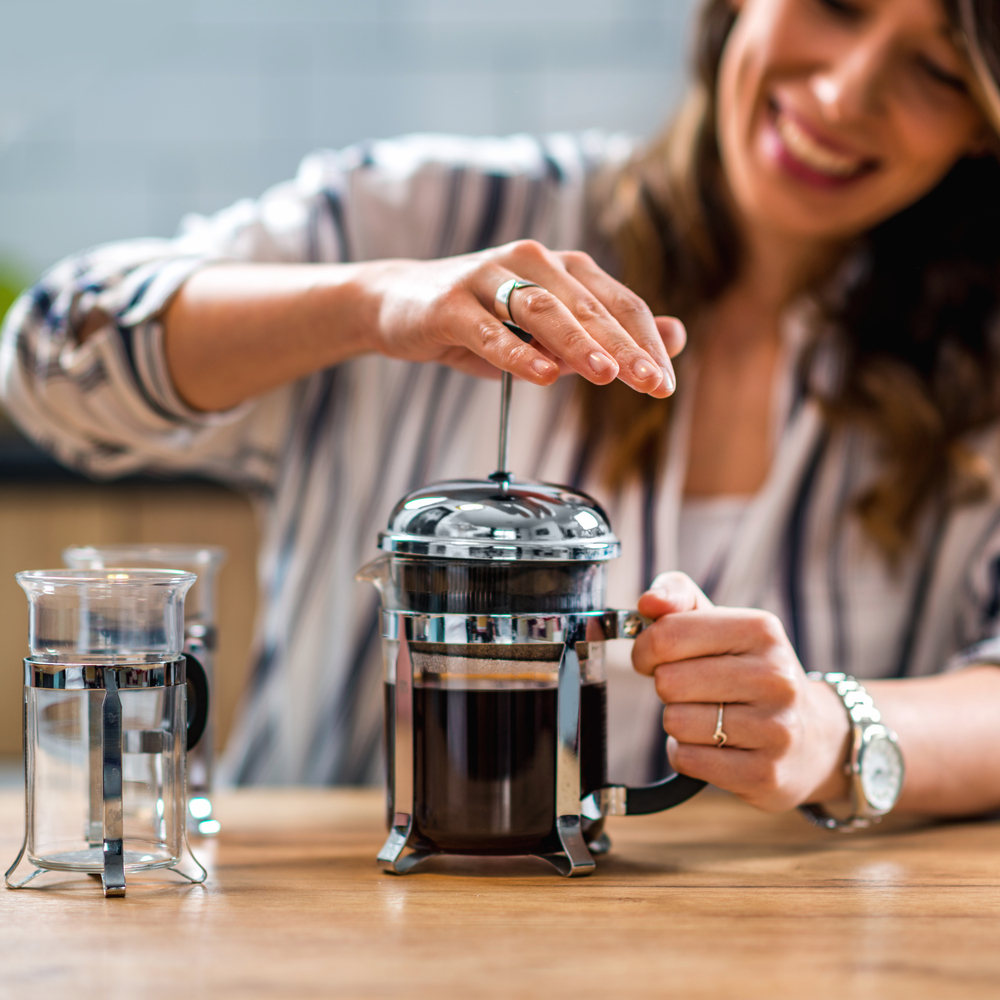
French Press (2)
French Press coffee brewing was invented in 1929. It is widely regarded as the best and easiest way to brew a superior coffee that is consistent. Soak the ground coffee in a Press pot, steep, and strain in hot water. Afterward, the essential oils, antioxidants, and caffeine diffuse in a smooth blend to leave you the purest coffee flavour. French Press coffee is best for those who want an expressive and luxury taste experience. Bodum remains the most common French Press brand. The bean grind is coarse, and the flavour profile is pure and clean with a robust body. Contact time for making a French Press coffee is around 2-4 minutes. No filters need! French Press coffee tastes best with milk or cream.
Pour Over/Drip : Coffee Cone
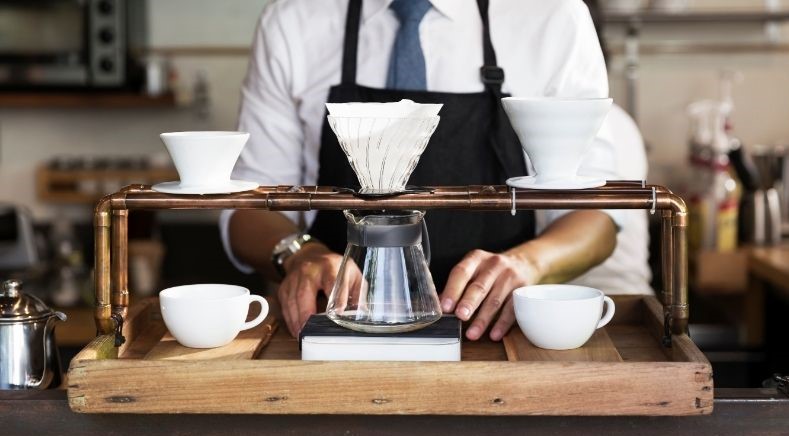
This is one of the oldest, traditional, most straightforward, fastest, and cheapest brewing coffee methods. The process makes use of a coffee cone and paper filter. The steps include pouring hot water evenly on coffee grounds placed in a filter paper. Through the aid of gravity, the coffee drips slowly into a cup.
The coffee cones might be made of different materials such as plastic, stainless steel, glass, or ceramic. Filters also influence flavours. The coffee bean’s grind is usually medium-fine to coarse, and the brewing time is 1-3 minutes. The pour-over/drip process produces only a single coffee cup, and the flavour profile is smooth and round-bodied.
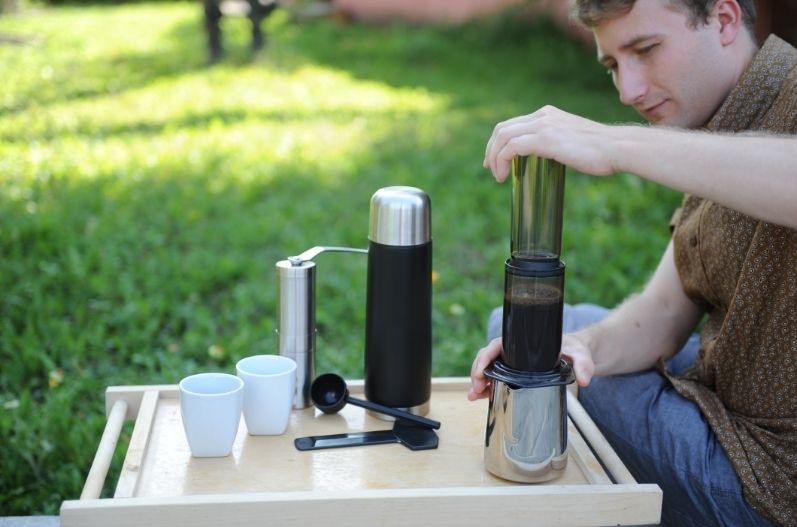
Aeropress
AeroPress was incorporated in 2005. The plastic has three parts. A filter is at the bottom of the brewing chamber. Coffee grounds settle there, and hot water is added to steep the coffee. Afterward, a plunger presses down to extract the coffee.
The grind of the beans fine-medium, and the brewing time is 1-2 minutes. The flavour profile is described as sweet and full-bodied, espresso-style coffee. The process produces only a single cup of coffee and is relatively expensive, costing about $50. AeroPress is loved for its versatility and is best for travellers and minimalists.
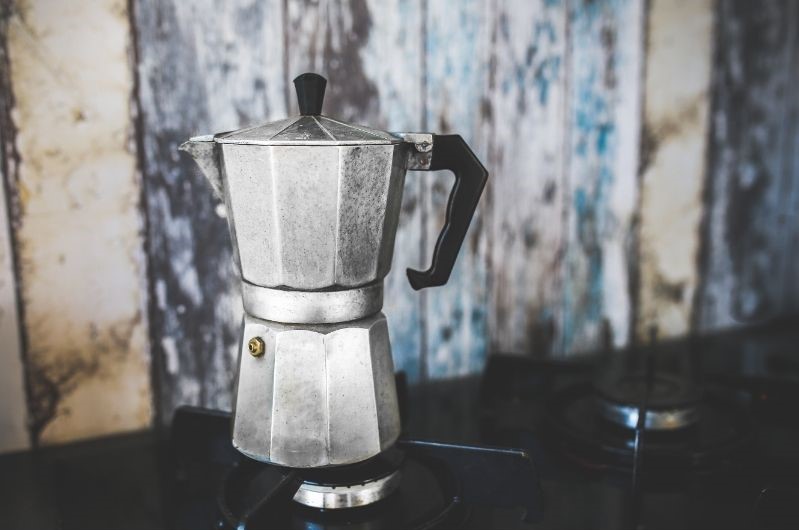
Stove pot
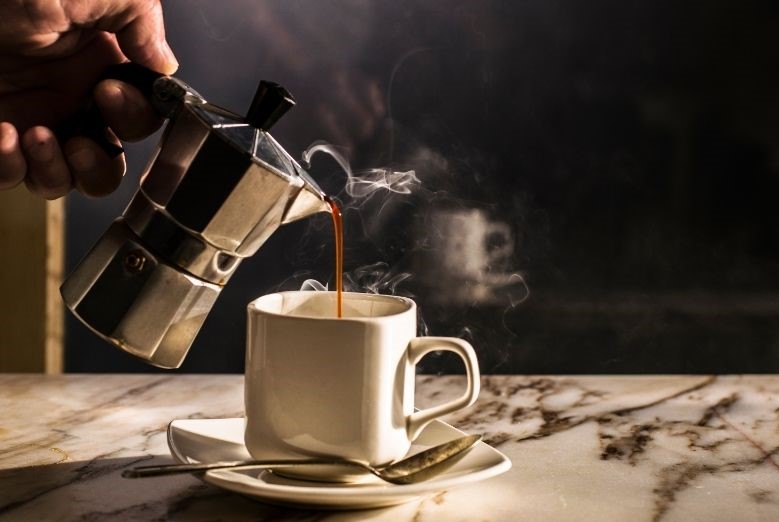
Stovetop espresso lacks the usual crema seen in the typical Moka Pot coffee. More so, it contains lesser aromatic oils. Initially patented in 1933, the coffee maker uses steam pressure from boiled water to brew coffee.
It passes through the central chamber where the coffee grounds and leaves the higher section’s brewed coffee. The grind of the beans is fine-medium coarse, and the brewing time is 5 minutes. The process requires is easy to clean, requires a gas stove, and does not need additional filters. The flavour is espresso style and could be strong.
Expresso girl
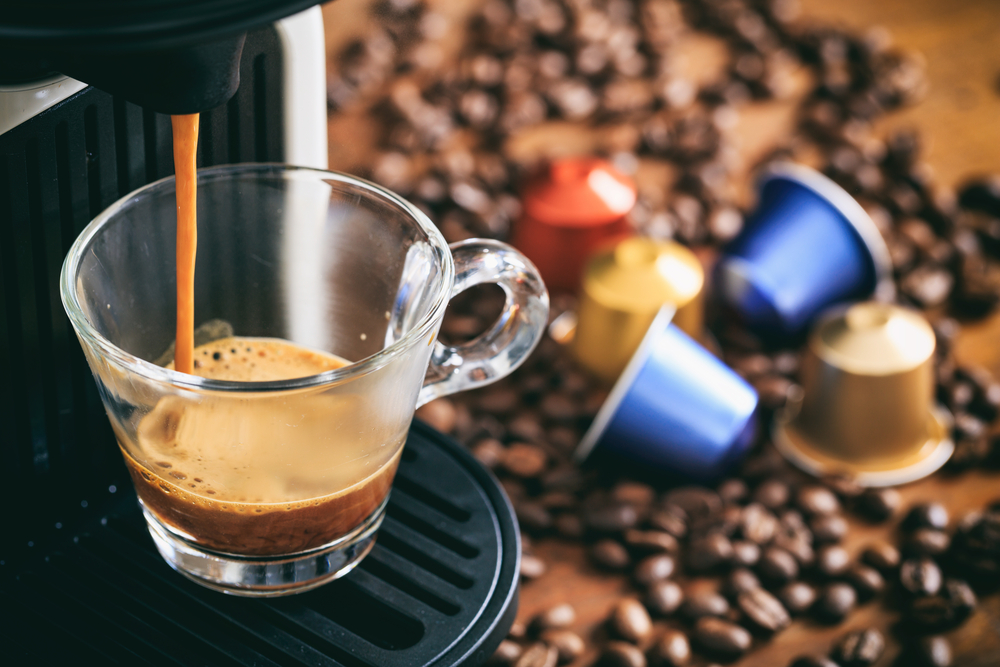
Push boiling water through a layer of ground coffee in a port-filter to prepare your espresso. Espresso is ultra-concentrated, and it has a full flavour profile. Moreover, espresso has coffee oils and solids. The hallmark of the espresso is the foamy layer at the top and the small drink volume. Using this coffee maker requires extra expertise and training even though the process only takes 20-30 seconds. Espresso might be manual, semi-automatic, or super-automatic.
Drip Coffee
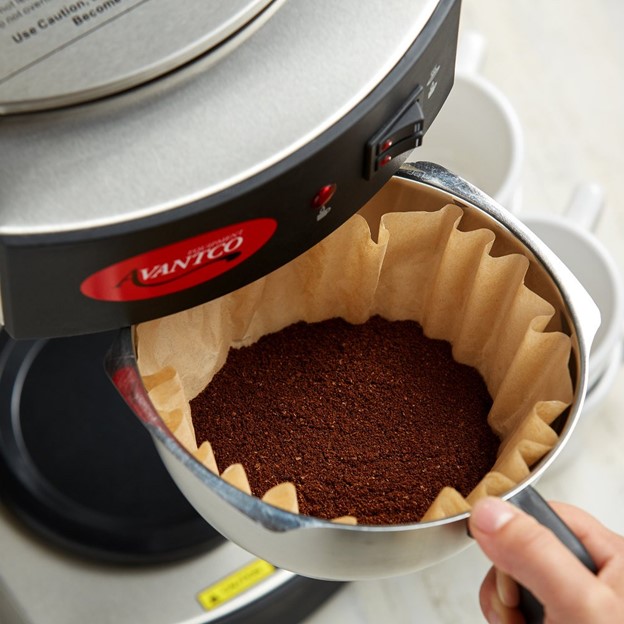
Brewing or contact time for drip coffee is about 5 minutes. It is very similar to the manual drip and coffee cone methods.
Turksh Coffee
Making Turkish coffee entails instilling finely ground coffee in near-boiling water. Grind size is the most important here because it should be at its finest and in a powdery form. Since you would hardly find electrical Turkish coffee grinders, manual mills are a great alternative. Turkish coffee is hailed for having the fullest body among all brewing methods.
Mocha Pot
Moka pot is a coffee maker that utilises steam pressure in pushing water through coffee grinds. Though it greatly resembles the expresso method, it uses less pressure. Moka pot has 1 bar or pressure while expresso uses 9 bar. The flavour profile is bold and makes a good espresso alternative.
Cold Brew
How to make cold brew coffee has become a common question in recent times, particularly for stomach problems. Hot coffee upsets some people. Hence, cold brew coffee is their best option. Steep coffee grinds for as long as 12 to 36 hours. Afterward, strain and serve cold since the process takes longer; it best to carry it out in large batches. The method also doubles as a serving carafe.
Manual Drip
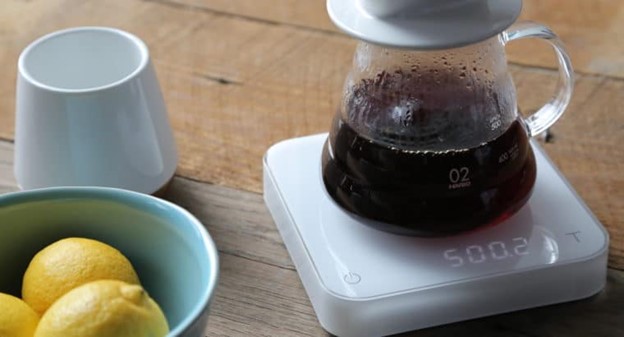
Manual drip makes use of filters such as Chemex paper. It bears a close similarity to the coffee cone. Pour hot water over the grounds and allows the brewed coffee to drip into the bottom of the flask. The bean grind is medium-coarse, and the brewing time is four minutes. The flavour profile is balanced, refined, and floral.
Single Serve Coffee
Much argument has remained on whether the single-serve brewing method is a recognised coffee making procedure. The coffee blend is coarse and less compact than the Moka Pot. This leads to a faster brewing time. To make a single-serve coffee, you need to use the unique Keurig coffee maker. The flavour profile is decent. Making a single-serve coffee is convenient and straightforward, and the coffee does not taste bad.
Percolator
This coffee maker involves using a pot where coffee continually cycles at near boiling point. Coffee percolators were widely popular until the 1970s where their relevance declined
Not being happy with your coffee cup means that there was something not right about your’s brewing process. For instance, the coffee might have been over-extracted or under-extracted. The only way to know what works for you is by experimenting with the different brewing coffee methods. You are one step away from finding the best coffee maker for you.